

Phrases like these are often used to describe a crisis, in the hope that the sun will rise and show us the way. Hope, of course, dies last. But few people think about what this saying really means. Hope lives until the last glimmer in someone’s eyes, and then… emptiness. That is why, in the psyche, the opposite of hope is not despair but emptiness.
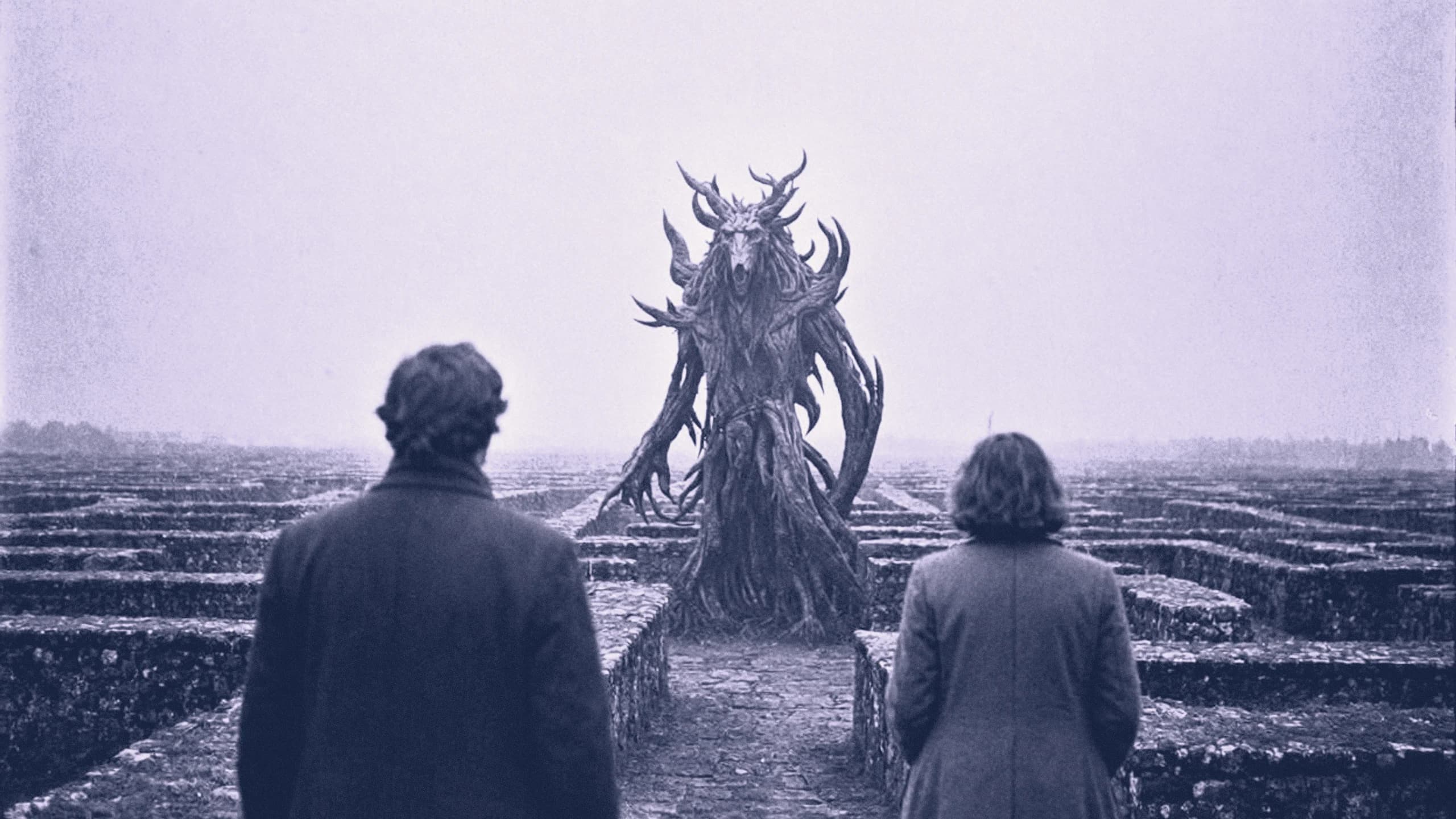
A crisis is the dark labyrinth of the hell of the unconscious.
Hope is still alive somewhere inside, but it cannot break through the gloom. At such moments a person feels not only indifference, inner emptiness and a loss of meaning and vitality — they lose their emotions altogether.
The bright forces are the first to leave: joy, delight, enthusiasm, tenderness, love. In this piece I want to talk about the emotional side of a crisis and about how important it is to have people close to you who can light a lamp. It is towards that light that positive emotions will reach out of the darkness — and hope will return.
In the film “Pan’s Labyrinth” a struggle unfolds — between inner demons and nightmares from early childhood and a reality that is no less terrifying. Today’s world has set off a chain reaction. The dominoes are falling one after another. The pain, chaos, fear and horror of the outside world have plunged, as if in an express lift, into the abyss of the unconscious. What do they want down there? They have woken our most secret childhood fears.
Crisis in psychology.
The psyche is a cunning thing: it doesn’t ask which feelings we would like to have. At a primitive level it finds the keys and places today’s similar anxieties into the cold, cobwebbed, packed-to-the-ceiling dungeons of our unconscious. There are many categories. Fear of a strong rival may end up in the little room of our relationship with a stern father. Fear of hunger gallops off to the compartment of a mother who, because of illness, struggled to breastfeed her child. A crisis in society, fear for our lives, uncertainty — the psyche tries to process all of it in its familiar ways. Most people hide unbearable emotions or act them out, first of all through action. The first defensive reactions to danger are fight, flight or freeze. The body can take the heaviest load from the psyche. In the hierarchy, it is the body that has to cope with the first wave of negative emotions.
As a child, the hero of “Forrest Gump” found only one way to deal with danger. His fear made him run. And only at the end of the film, when Forrest sits on a bench telling strangers about his life, do we see how his psyche has worked all those years.
Is this a real life, or an ordinary person’s fantasies about what never came true? Everyone would like to live a vivid life — to come out on top of every scrape, solve problems creatively, be lucky, help others and feel happy. But perhaps Forrest’s story is just regret for what he wanted so much and never had.
In a crisis it is very important not to retreat into fantasy. Yes, you can live in daydreams for a long time, but when you wake up you may find yourself alone on a bench, with no real achievements and no vivid, memorable life. In a crisis it is vital to find something in reality that will pull both the person and their fading hope out of the swamp. Not only loved ones can help with this, but specialists too.
If you or someone close to you is facing a crisis, I invite you to watch the broadcast Natalia Motorina and I recorded about the midlife crisis (in Russian). Yes, I have faced it too. It is inevitable. But how well we live through this period, whether we find new meaning and whether we come out of it stronger depends on each of us.
Psychologist, MSc in Psychology · 7 years in practice
Editor-in-Chief of PSY.one.