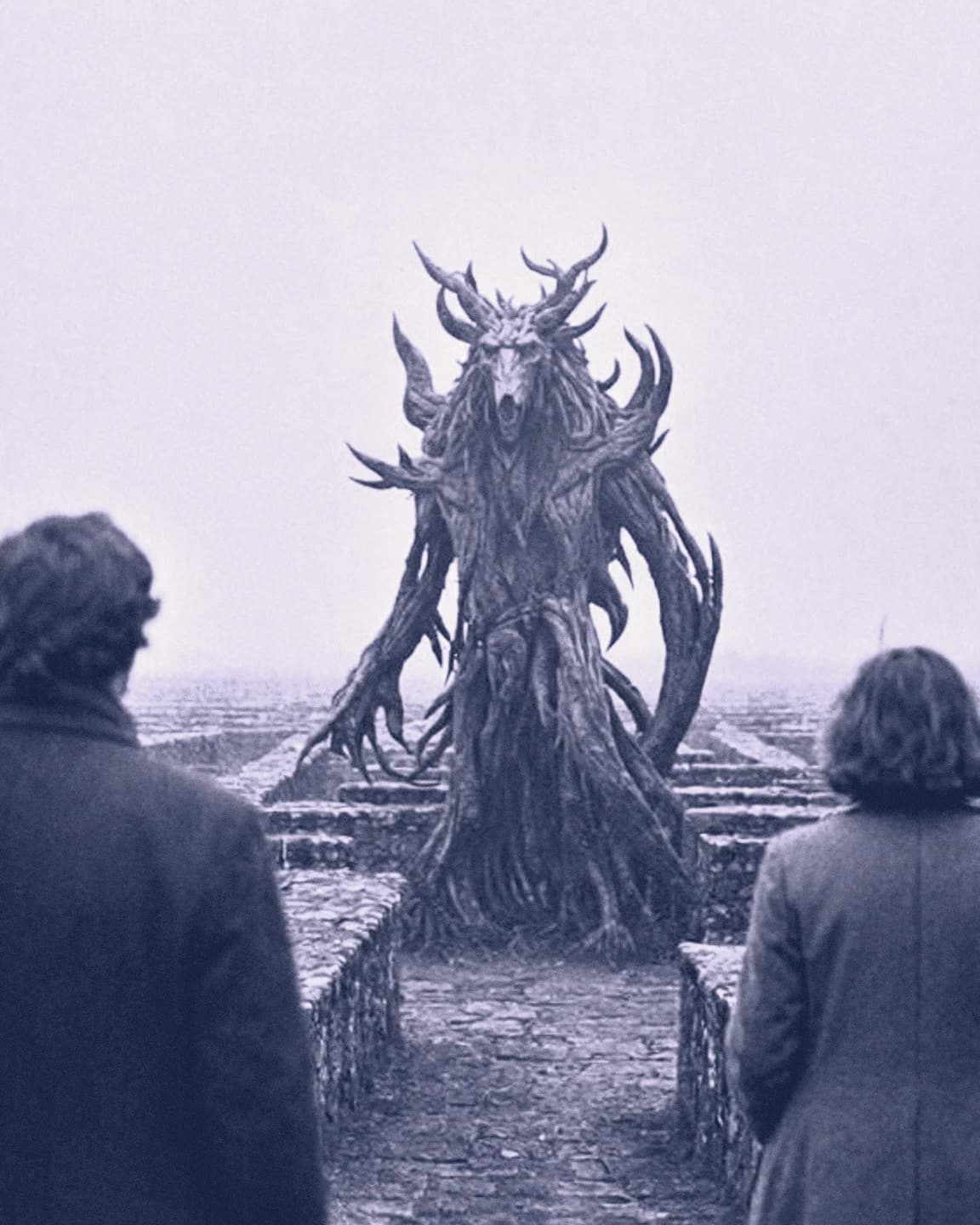

Reality kills dreams. Dreams that seemed to be the meaning of life, that you worked for while burning through your last nerve cells, sacrificing time with your children and loved ones. Dreams that today seem foolish and stripped of all meaning. It is that state when you freeze, everything is in a fog, there are no more goals — only tears in your eyes and fear. Like the hedgehog in the fog, when every rustle fills you with dread and every call or text makes you think the worst. A regression into your worst childhood memories and fears. All of this is frustration and the fear of uncertainty. But they can be lived through and overcome!
We are in crisis
A crisis is a time of transformation and change — a battlefield between outdated foundations and the changes that have arrived. What is happening now to the world and to each of us? We are in crisis. And it is radically different from what we lived through over the last couple of years. The coronavirus pandemic, which laid bare the sharpest problems not only of society but of every individual, now seems unimportant. Everything we feared then — losing our jobs, loneliness, closed borders and being unable to travel freely, and of course anxiety about our future and the fear of death — has today reached a new, man-made and grotesquely magnified level.
What are we afraid of, and how can we help ourselves overcome these fears?
Let’s try to make sense of it
A psychologist doesn’t meet a request about “fear of death” every day. But my colleagues and I are seeing more and more such clients. These hard times are full of fear of uncertainty, anxiety and aggression. Over the past week most people have completely lost their sense of reality.
An endless stream of news mixed with an onslaught of fakes. We are under pressure. It’s impossible to tear yourself away from the news feed and the Telegram chats. You keep scrolling, thinking the worst has already happened. But no — every new message sends your nervous system down to a new low. The light at the end of the tunnel gradually fades, and reality is lost. We are gripped by terrible fantasies, like a child in a dark room during a thunderstorm. You want to cry out: “Mummy, when will all this be over? I’m scared!” But Mum won’t come and hug you, won’t say everything will be all right and this nightmare will pass. We try to fall asleep in this nightmarish delirium, but at times falling asleep is even more frightening than lying with your eyes open, praying.
What has the endless flow of information done to us?
It has begun to destroy the psyche of ordinary people. And with every second more people fall into this abyss. Down there lies irrationality — the first sign of what is already mass psychosis. Our actions, thoughts and dreams have changed for ever, and our unconscious holds huge splinters of what we have lived through. If this splinter of fear and aggression isn’t removed, it will begin to fester and eventually lead to very grave consequences for the psyche.
A mass fear of death and suicidal moods can be overcome. During the coronavirus pandemic, the Zero Suicide project was launched in Britain. It provided the world’s largest programme of psychological support for people afraid for their own lives. In twenty minutes a person received clear instructions for themselves — and on what to do if someone close to them might see suicide as the only way out of their situation. In my view this programme is very effective and reaches a huge number of people thanks to one simple link: help yourself, then help others. And this advice works in any crisis.
Help yourself, then help others. This advice works in any crisis.
The author of the frustration–aggression theory, the American psychologist and sociologist John Dollard, explained clearly what happens when familiar life collapses. A person has a goal they strive towards with their whole being, but suddenly an obstacle rises on the way, and they cannot overcome it. This wall is insurmountable: they can neither get round it nor break it down.
The person can no longer reach their goal. This is how the gap between possibility and desire opens up — and that is frustration. Frustration always leads to aggression. People are at a loss; it seems the world has collapsed and will never be the same; social ties break, businesses lose huge sums, there are mass layoffs, a wave of suicides and a sharp rise in domestic violence. How do you cope with frustration and the inner irritation at the world having changed? To do that, you need to understand the traps our brain sets during stress.
Stress and the traps of the brain
The first trap: familiar cycles fall apart
Our familiar life cycles start to fall apart. Reality changes, but under stress we badly need rituals that tell us: you are alive, you exist. They can be very simple — eating, sleeping, washing, brushing your teeth, talking to your loved ones. The main thing is not to kill this sense of reality with alcohol or psychoactive substances. They may help you forget yourself for a moment, but they are exactly what can lead to fatal mistakes.
During the Second World War the Austrian psychologist and psychiatrist Viktor Frankl was a concentration camp prisoner. In secret from the SS, he and his colleagues gave psychological help to other prisoners. Almost all of them were in profound shock and utterly frustrated, and this state led to suicides. Working in such a critical situation, Frankl concluded that to survive, a person needs a goal in the future. What will be there ahead, when this nightmare is over? In his notes he would write:
“…in every case, the courage to live or the weariness of life depended solely on whether a person had faith in the meaning of life.”
Frankl himself was fond of quoting Nietzsche: “He who has a why to live for can bear almost any how.” The trap of the familiar life programme lies precisely in the loss of meaning. We simply exist like biorobots, lose our goals and so lose our future. In this stressed state many people start drinking. But, as I said, alcohol not only dulls fear — it also kills the instinct of self-preservation. It is the intoxicated brain that can make fatal mistakes.
The second trap: too much emotion
We start showing too much emotion — above all, fear. People fall into depression, start lashing out at those around them and at themselves, and rush between the most drastic decisions, any of which could lead to fatal consequences later on. The American neurobiologist Robert Sapolsky writes that it is at moments of intense frustration — when emotions are off the scale and the rest of the body is busy with its automatic functions — that people make their most irrational decisions. The cerebral cortex is responsible for our rational side, and the limbic system for our emotions. In everyday life they always consult each other and make balanced decisions, but in a crisis they go to war.
Neither part on its own can make a fully correct decision. Reason can’t calculate everything without relying on feelings, and emotions can’t structure themselves without cognitive support. That is why emotional intelligence matters so much in a crisis. When you understand and name your feelings, you can structure them and, using the hints the world around you offers, make the right decision. Emotions and feelings are our inner God: they give us hints and know where things will be good or bad for us personally, where there is danger and where there is comfort and happiness. But when the whole of society’s emotions are off the scale, you need to shield your psyche from unnecessary contact. You know the people who are close to you and who care about you. Be with them; help them.
Fighting stress
Here are a few recommendations I have gathered from various expert sources. These simple steps will help you be more effective not only in a crisis but in everyday life too.
- Watch your emotions
An emotion is always the first reaction to our thoughts; action comes next. If you keep an emotion diary and write down the most vivid and unbearable feelings you had during the day, you will be able to analyse your emotional background. Most importantly, later on you will be able to look at negative events from another angle and learn to react to them less sharply.
- Try to restart your nervous system
Sport, a new book or a session with a psychologist. Exercise — even a little (a workout in the morning, meditation and yoga in the evening) — will sharply raise your dopamine levels. This hormone is produced by the body itself and doesn’t come from outside sources such as food and drink. Dopamine is the very hormone of joy. At the hormonal level, joy comes from any physical activity and from discovering something new. Yes, dopamine is released when we are absorbed in something: reading an interesting book, studying, making discoveries that are new to us. Dopamine and the good mood that follows lead to a state where you don’t want to drink — the body already feels good, it fights stress on its own, and the person is not crushed and can look to the future.
- Picture yourself ten years from now
Who do I want to be, what surrounds me, who is beside me, what do I do, what is my new world like? Having explored this future, you need to feel your emotions. What am I like? Free, successful, vibrant, sociable? Once you have named those inner feelings, try to use them to choose intermediate goals that will lead you to the state you want. An image of your future self is a unique stimulus for choosing goals and a reason to live.
- Kindle the will to live
And start changing your reality in small steps. If you need to leave for your comfort and safety, make a plan. Where to go, how to do it, who will go with you? You need a plan! Nothing is more foolish than decisions made in a fit of hysteria. Otherwise all your inner problems will move with you.
If you are in danger right now, leave! But make a plan and ask for help from those who can give it. Don’t stay alone with your problems.
Today’s crisis really is a point of decision for each of us — a turning point to change ourselves, drop every ineffective pattern of behaviour and look into the future we want for ourselves and for the whole world.
Works mentioned in this article
- Dollard, J., et al. Frustration and Aggression. 1939.
- Frankl, V. Man’s Search for Meaning (in German: …trotzdem Ja zum Leben sagen. Ein Psychologe erlebt das Konzentrationslager).
- Sapolsky, R. Behave: The Biology of Humans at Our Best and Worst.
- Zero Suicide Alliance, UK: free online suicide prevention training.
Psychologist, MSc in Psychology · 7 years in practice
Editor-in-Chief of PSY.one.