

“The unconscious knows no death.”
Can we agree with these words, once spoken by Sigmund Freud? He believed that deep down none of us believes in our own death. The reason is simple: we cannot imagine what comes next.
For a century psychoanalysis has been trying to pin down the main cause of human unhappiness.
Many — William James, regarded as the father of modern psychology, and Max Scheler, the founder of philosophical anthropology, among them — believed that the fear of death is the most basic and the deepest fear of all: nobody is immune to it, however deeply it is hidden.
James called death “the worm at the core” of man’s pretensions to happiness. Scheler believed that everyone intuitively carries this “worm at the core”, whether we admit it or deny it.
Death — “the worm at the core”
The psychologist Ernest Becker quotes an interesting passage in his book “The Denial of Death”. He refers to an essay by the well-known psychoanalyst Gregory Zilboorg:
“Zilboorg says that most people think death fear is absent because it rarely shows its true face; but he argues that underneath all appearances fear of death is universally present:
Everyone is haunted by the fear of death:
“For behind the sense of insecurity in the face of danger, behind the sense of discouragement and depression, there always lurks the basic fear of death, a fear which undergoes most complex elaborations and manifests itself in many indirect ways… No one is free of the fear of death… The anxiety neuroses, the various phobic states, even a considerable number of depressive suicidal states and many schizophrenias amply demonstrate the ever-present fear of death which becomes woven into the major conflicts of the given psychopathological conditions… We may take for granted that the fear of death is always present in our mental functioning.”
From this passage you get the impression that the fear of death needs to be recognised and understood. Almost any child can serve as proof: they are afraid of nothing and explore the world by brushing up against everyday danger, until their parents pull them back.
But watch any video of a toddler taking their first steps on a glass bridge over a drop. They run happily across the glass towards Mum or Dad, suddenly look down into the abyss and freeze — or panic and grab for support. The fear of death isn’t conscious yet, but the instincts are wired deep inside.
As a researcher of dreams, I still find it a mystery what made us different from animals in the first place: consciousness or the unconscious?
What drives evolution — working out formulas and equations, or dreams that let us solve those equations much faster?
My sense is that Zilboorg and Freud were wrong. Carl Jung came closer to the subject of death and dreams about death. Something inexplicable and metaphysical accompanied the dreams of Jung himself and of his clients.
I am reminded of the most often cited prophetic dream — the one in which Abraham Lincoln foresaw his own death.
He described it like this:
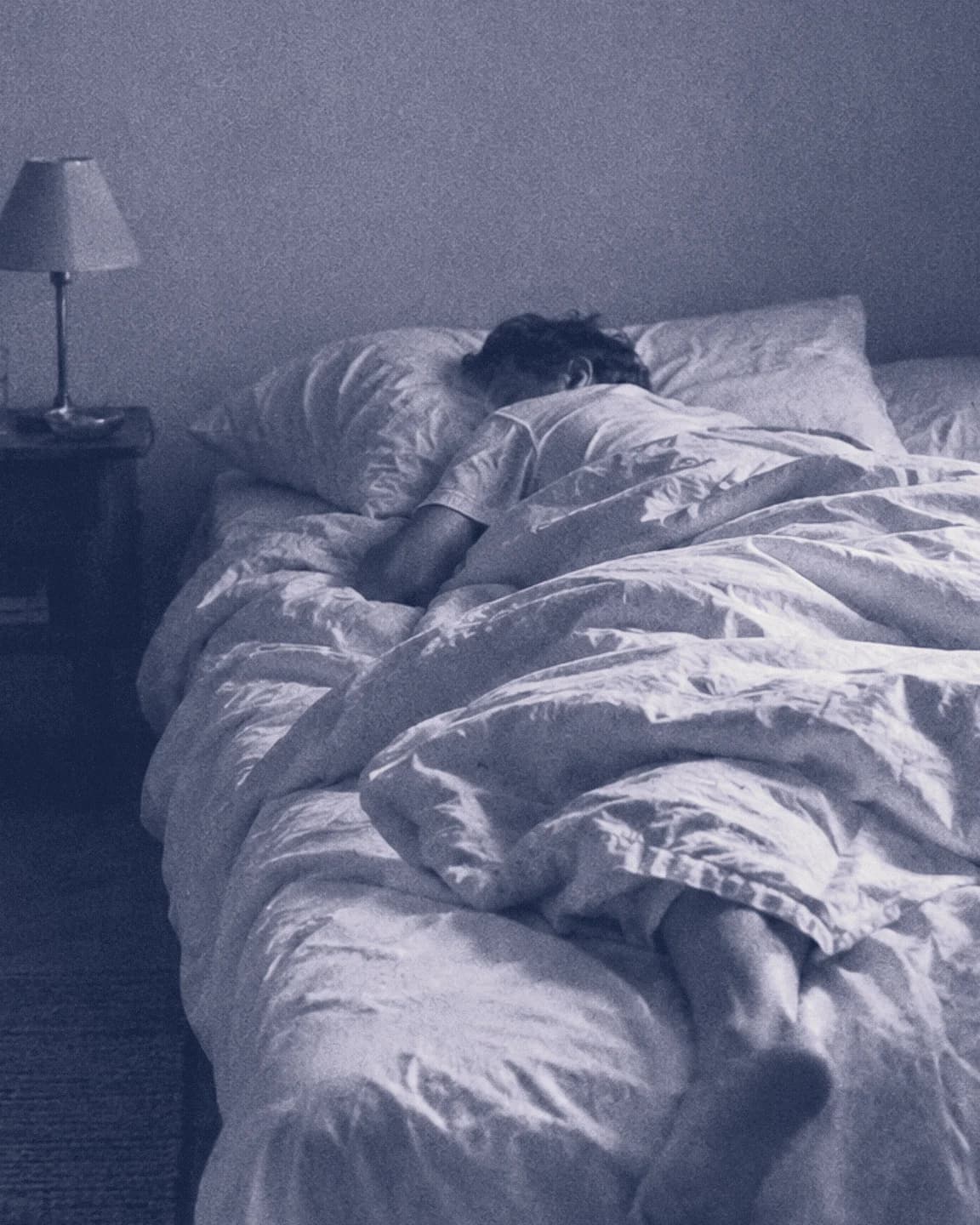
“I had retired very late… I soon began to dream. There seemed to be a death-like stillness about me. Then I heard subdued sobs, as if a number of people were weeping… I went from room to room; no living person was in sight… Before me was a catafalque, on which rested a corpse wrapped in funeral vestments. Around it were stationed soldiers who were acting as guards; and there was a throng of people… ‘Who is dead in the White House?’ I demanded of one of the soldiers. ‘The President,’ was his answer; ‘he was killed by an assassin.’”
Ten days later Lincoln was shot by John Wilkes Booth in his box at Ford’s Theatre
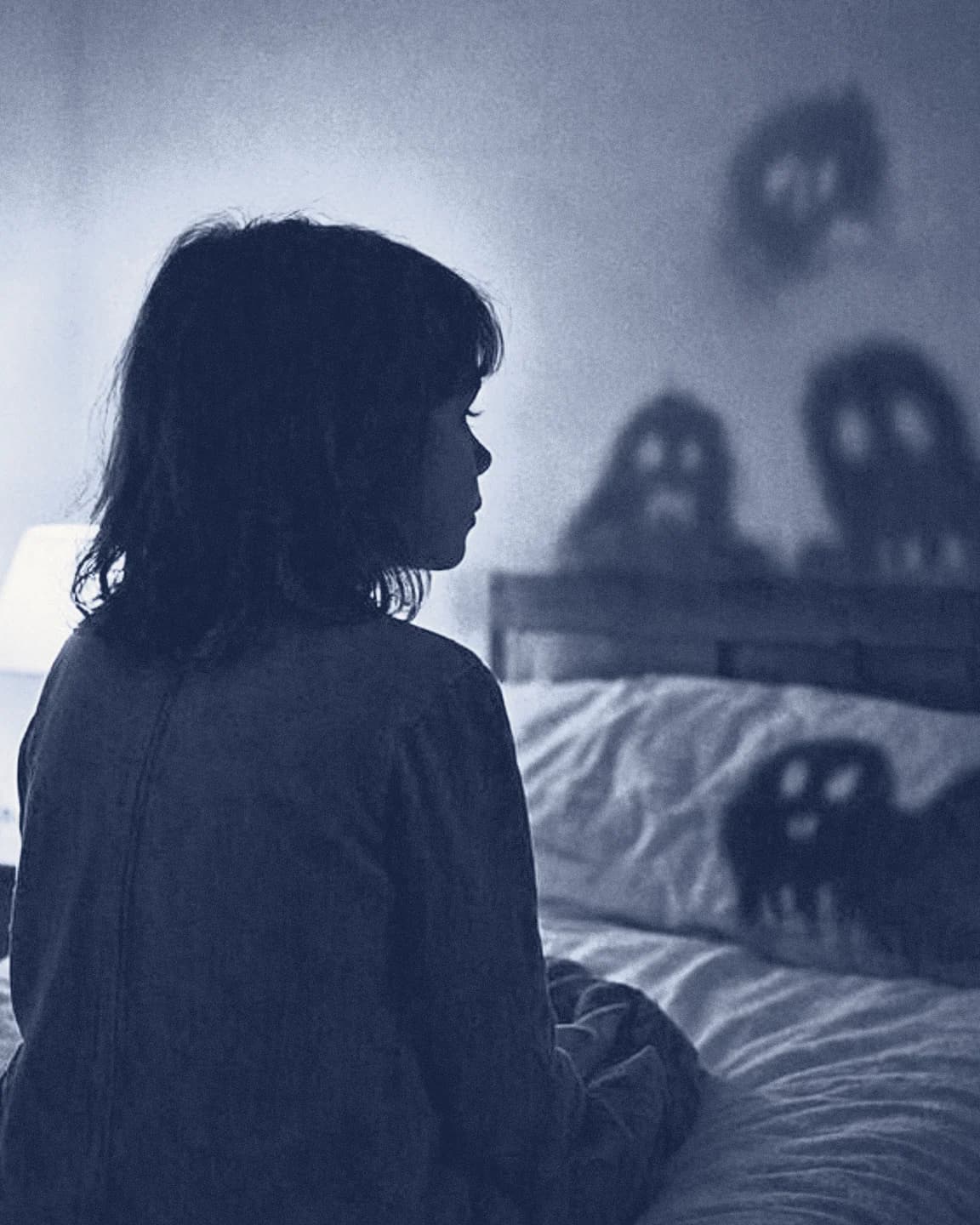
Dreams about death are among the most frightening. But where does their main terrifying power lie? At my seminar on nightmares I pointed out that all our night terrors are ruled by a “monster of mystery”. So which “monster of mystery” writes the script of dreams about death? The answer lies on the surface and at the same time appeals to our most primitive, archaic attitudes. The mystery of death is total ignorance: what is there, beyond the last heartbeat? What frightens and frustrates us is precisely not knowing that first step over the final line.
But here it is worth going back to the classics and remembering Freud — or rather not the father of psychoanalysis himself but Sabina Spielrein, who was born in Russia. It was she who proposed the term “death drive”.
In my view, psychoanalysis rightly interprets drives as the unconscious causes of fear. It is the battle between the death drive and the life drive that so often fills our dreams with funerals, murders, the loss of loved ones and our own death.
In such cases we can say that dreams are doing the work of mourning.
It is the loss of inner libidinal energy, and a heavy investment both in particular people and in actions, that often lead to dreams about death.
I would note that 99% of dreams about death are dreams about our fears, caused by a conscious or unconscious mystery.
Psychologist, MSc in Psychology · 7 years in practice
Editor-in-Chief of PSY.one.