Dreams and creativity.
PSY.one co-founder Timur Valeev has published the first book in his series:
“Dream ON: Unlocking the Power of Sleep for Inspiration, Mental Resilience, Victory, and Freedom from Crisis”.
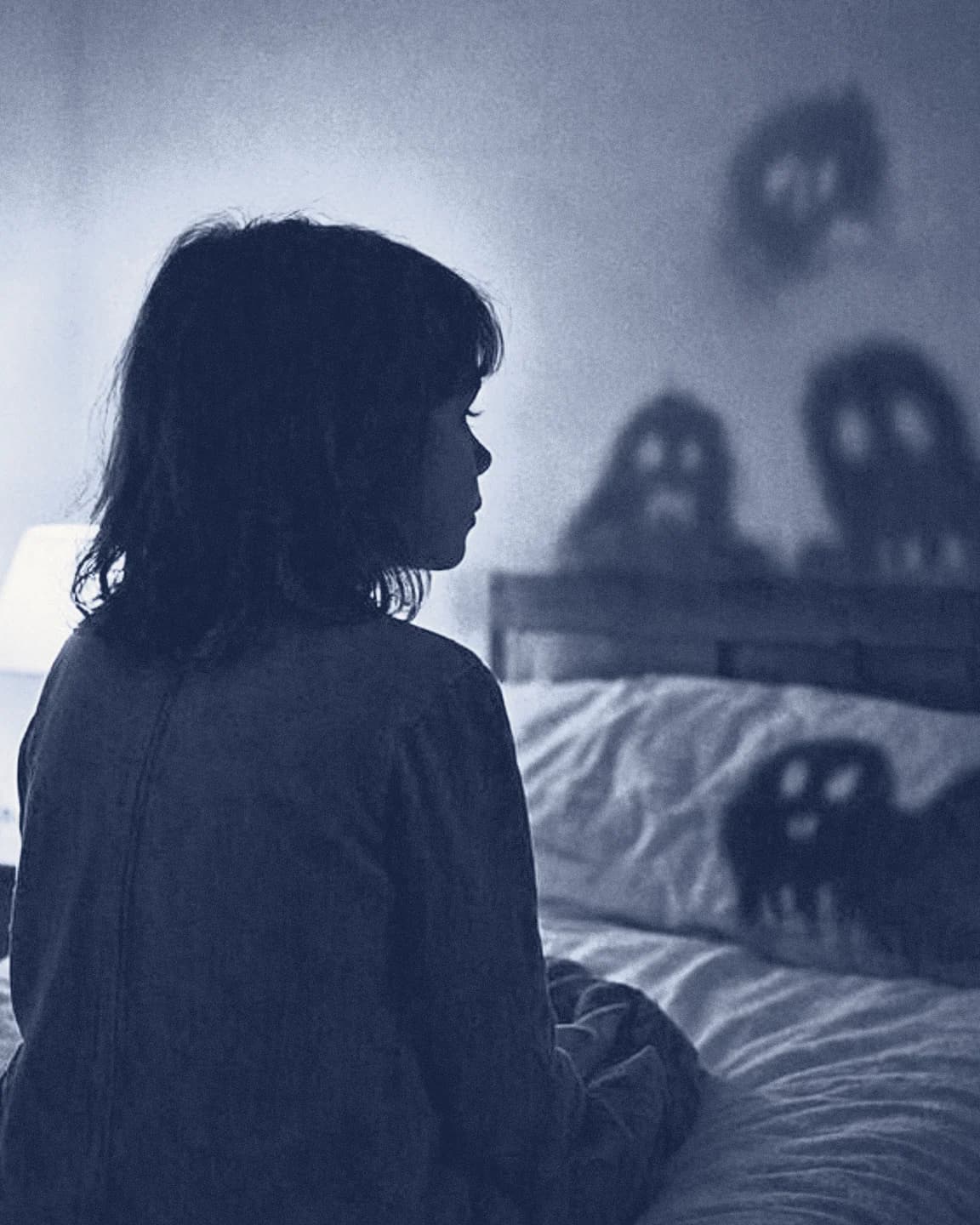
Why are we afraid of dreams? They are full of terrifying nightmares.
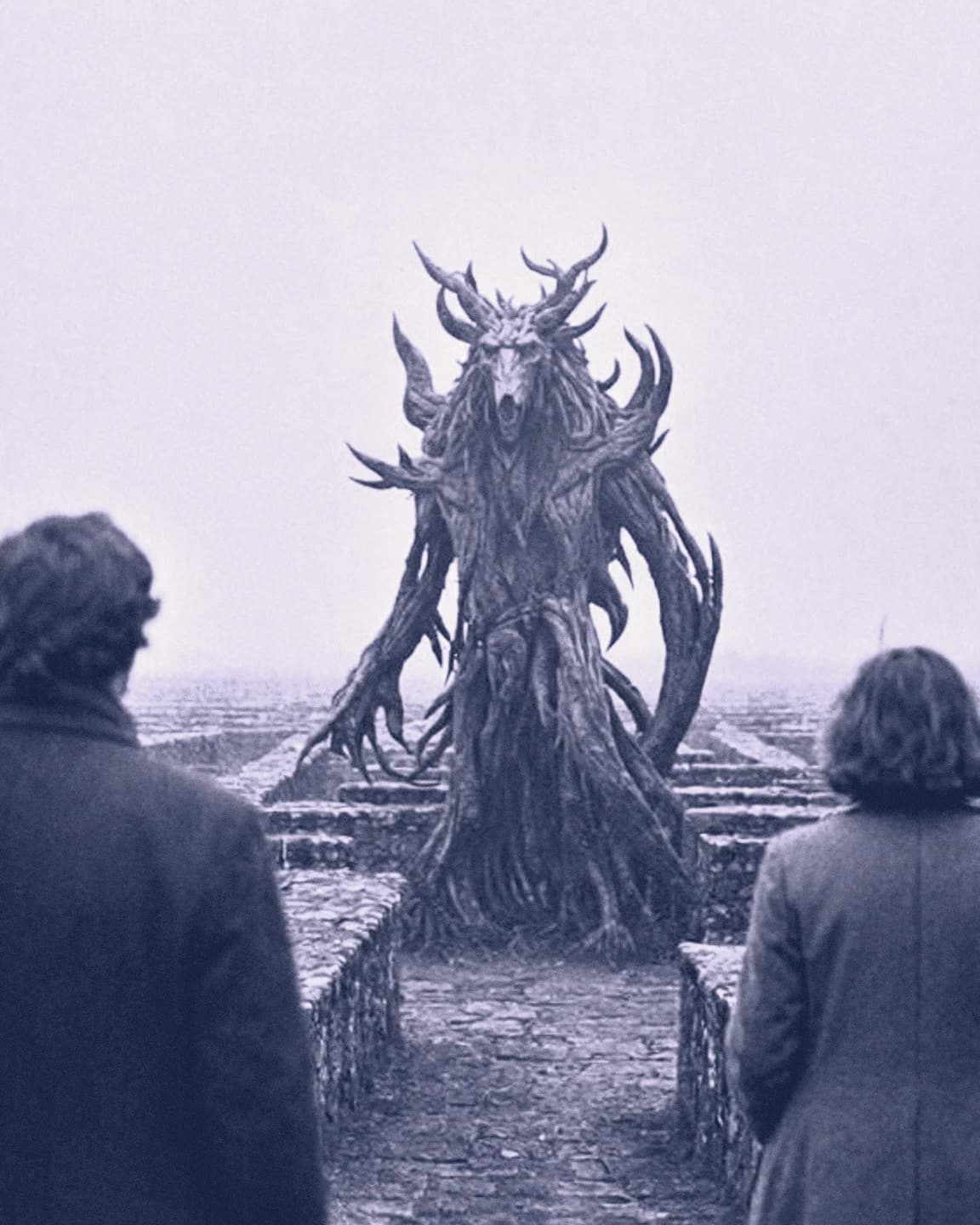
A legless two-headed dog corners you. An endless dark labyrinth and the hoarse breathing of someone unknown. An empty coffin surrounded by relatives, and Mum weeping over our photograph with a black ribbon. We fall into a bottomless dark well, or we drown. Our teeth fall out in an important meeting and fly off, sinking into our colleagues.
Dreams are a terrible thing. Our most dreadful fears come to life in them. Nightmares about the death of a loved one or of our parents. Monstrous visions during terrorist attacks, natural disasters and war.
The series will consist of five books about the mysteries of our dreams. The first part is devoted to dreams and creativity — how to conquer the world using the power of dreams.
PSY.one is publishing an exclusive excerpt from the book.
Dreams and creativity. How to conquer the world?
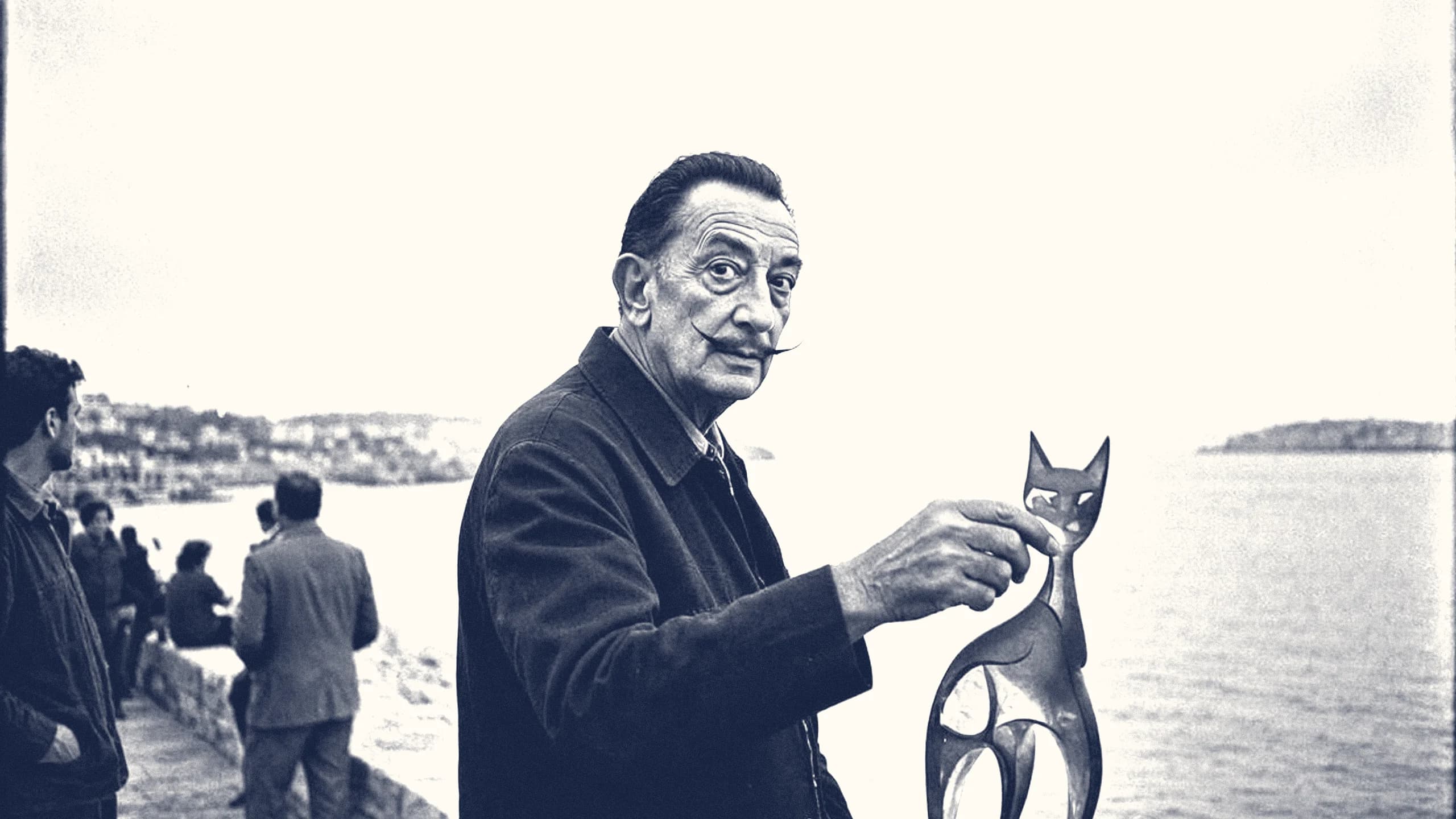
The lighthouse at Cap de Creus is the easternmost point of mainland Spain. Nearby, squeezed between hills with olive groves and neatly stacked stones where lizards dart about, lies snow-white Cadaqués — the town where Salvador Dalí lived.
He did not become famous for classic early works such as “The Basket of Bread”. The artist found his own inimitable surrealist style. In his mind, everyday objects familiar to everyone intertwined with mysticism and symbolism. A vivid imaginary universe simply swallowed up reality and time and dissolved them in itself.
Salvador Dalí
“Even great psychologists could not understand where genius ends and madness begins.”
Could Dalí have used psychoanalysis in his work? Could he, like the priests of ancient Egypt, travel through the labyrinths of the unconscious in search of ideas for his paintings? Could he plunge into lucid dreams and enter the astral plane? Was he sane, or did he skilfully cover his mental illness with outrageous behaviour?
“They seem to have chosen me for their patron saint,” Sigmund Freud laughed, speaking of those surrealist fools. The father of psychoanalysis did not mince his words. Dalí, meanwhile, not only devoured his works but also learned to transfer his inner images onto canvas.
The artist caught the moments when the mind was clouded, the unconscious emerged from its cave, and the body and psyche lost control over their taboos. Dalí slept in his studio, holding a brush in his hand. The moment Morpheus took him, his hand opened and the brush clattered onto an empty plate. He leapt up in front of the easel and painted until grey reality killed off the last of his wild fantasies.
Look at the painting “Dream Caused by the Flight of a Bee around a Pomegranate a Second Before Awakening”.
Even someone with a vivid imagination can’t find any logic in it. Everything is incoherent and meaningless. But try going BZZZZ. Look at the painting and make the sound of a bee. Yes, people around you may think you’ve lost your mind. Once more: a look at the painting, at its separate elements, and BZZZZ. The canvas comes alive. An elephant on spider legs goes about its business, a rifle drives its bayonet deeper into a beautiful body — one more BZZZ and blood will flow.
The sleeping woman’s images are formed from sound. We can observe this effect ourselves, when surrounding noises change the course of a dream. If water starts dripping nearby, it suddenly begins to drizzle in a dream that was bright until then. Or the knocking of a hammer in the next room turns out to be the footsteps of an unknown pursuer. We wake up and don’t understand what has happened. But the sound keeps knocking and driving us into a corner. Phone signals and alarm clocks become especially bizarre in dreams. I’m sure you have come across this. Try to notice how the sounds around you take on unexpected forms and change the course of your dreams.
Of “Dream Caused by the Flight of a Bee around a Pomegranate a Second Before Awakening” Dalí said:
“The objective was to express for the first time in images the discovery of Freud of the typical dream with a lengthy story, consequence of the instantaneousness of an accident that causes the awakening.”
What I find especially interesting is how the image of the bee is transferred onto the rifle with its bayonet.
“In the nightmares of young women, being chased by a man with a knife or a firearm plays a large part,” Dalí said of his fantasy. Psychoanalysis would note that the rifle with its bayonet is like an ever-erect phallus. A phallus, precisely — not a penis, which needs a vagina for a relationship. In this case the dangerous, cold phallus doesn’t care where it wounds the sleeper.
Is there meaning in a dream painted on canvas? Dalí tries to enslave his unconscious by taking wild images from its hidden dungeons as co-authors. But fear is clearly visible in this painting. It was painted in 1944 in the United States, where the artist had gone with Gala to escape the fascist threat. The rifle with its bayonet pursues them but does not strike.
Another meaning in this work is the danger of Sigmund Freud’s narcissistic bayonet — and admiration for it. The quote about great psychologists who could not understand where genius ends and madness begins matters. In his works Dalí cried out about his inner pain and was frightened of his possible madness. Through what he poured onto the canvas he asked Freud for help. Yet at the same time he was afraid Freud would declare him mad. The artist tried several times to meet Freud, but they met only in 1938, not long before the founder of psychoanalysis died. They talked for no more than twenty minutes, but Dalí managed to show him “The Metamorphosis of Narcissus”.
According to Dalí, Freud said: “In classic paintings I look for the subconscious; in a surrealist painting, for the conscious.”
For the rest of his life Dalí called Freud his father — a father he admired so much and who, unlike his own, most likely understood him.
Try to describe in symbols one of Dalí’s best-known works, which he created near that very lighthouse at Cap de Creus, close to Cadaqués.
When you are in Spain, try to make your way to the lighthouse at Cap de Creus. That is where my ashes will be scattered after my death. This is a public testament, so that my loved ones, who were given instructions long ago, don’t change their minds. There, and only there, from the deck of a snow-white sailing boat, the grey ash is to be scattered into the turquoise sea.
Meanwhile, every time I reach the checkout in a supermarket, I marvel at how Dalí made the whole world lick its lips. He drew the unusual flower on the Chupa Chups wrapper for a fee — proof that genius not only lives in dreams but can also earn you a decent living.
No two dreams in the world are identical down to the last detail. Even conjoined twins joined at the head see different things. We won’t find the answers to their riddles in dream books or in logic. Dreams are deceptive. They frighten, confuse and give hope — but everything is hidden behind a veil. What lies behind it? Nobody knows. Only symbols and images.
This book is about the mysteries of our own dreams.
This year the book is available only in English.
We invite you on a journey through the world of dreams, where every dream is a chance to change your life. Amazing discoveries, inspiration and, of course, the way to making your dreams come true await us.
Psychologist, MSc in Psychology · 7 years in practice
Editor-in-Chief of PSY.one.