
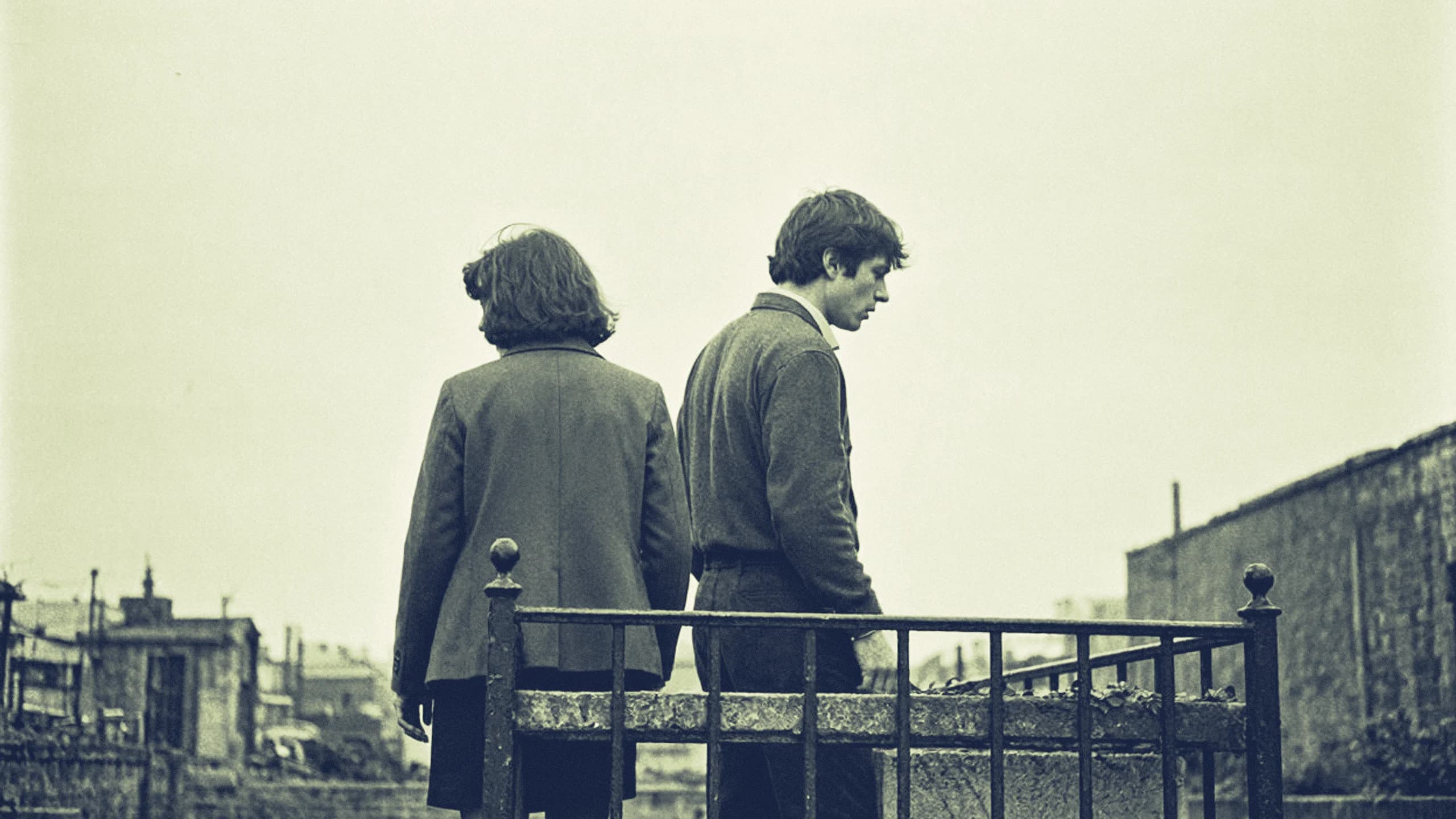
You don’t have to go to a desert island to find yourself alone.
You can feel acutely like a grain of sand nobody cares about in a noisy city crowd, at a lively party, in the buzzing anthill of an office — and even… in the arms of someone you love. You are together, side by side, perhaps talking or making love, and yet there is none of the closeness that would break the crystal cocoon of loneliness.
As the Russian poet Igor Guberman put it: “Stewing in the common dough of life, you suddenly notice, with a secret glance, that we do not live together at all — only near each other, side by side…”
“Loneliness for two” is often demonised in films, theatre and literature, and presented as harrowing and dramatic. And indeed, emotional pain, a lack of trust and a sense of being unneeded are faithful companions of this psychological phenomenon. Frustration and depression also tend to drop in on the person who feels alone in a couple…
Sometimes the need for closeness with a partner leads to hysterical outbursts, rows and obsessive demands for more attention: “You don’t love me! I mean nothing to you!” To a suffocating, toxic way of relating to your other half that, alas, brings no more closeness to the relationship. It not only gets in the way of coming closer and responding emotionally to the other’s needs, but also prevents the partners from building a reliable, safe emotional bond.
Here one of the most important features of loneliness in a couple makes itself felt: a combination of the feeling of loneliness itself and a subjective judgement of the quality of the relationship.
But there is another side to the coin. Sometimes loneliness feels quite comfortable. Such a “loner” feels calm, draws strength from solitude, concentrates on their own affairs and often devotes themselves to creativity, self-knowledge and personal growth.
So why does this feeling arise between Adam and Eve, who are supposed to become one flesh? And why do people experience loneliness in a couple so differently? Why is it a painful isolation in the desert for one person and a perfectly cosy psychological retreat for another?
Could it be that we build the cocoon of loneliness ourselves?
The easiest thing is to blame your partner for building the wall that keeps your souls from touching. Of course, it is more convenient to put your own “self” at the centre of the universe and complain: there is not enough care, no support, and communication has shrunk to dreary household matters… In fact, we ourselves sometimes put up barriers in our relationships with loved ones, shut ourselves in a cocoon, reject closeness, don’t listen to our partner’s needs and choose destructive ways of dealing with the “together but apart” problem.
And do you know the main secret of this phenomenon? How lonely we feel in a couple depends directly on our personality.
For example, if you lack social contact or depend on company, always need people around and can’t be alone for long, that “wretched loneliness” will batter you, break you and torment you. And you, in turn, will wear your partner down with demands for attention and accusations of selfishness. But if you can enjoy solitude and draw resources for personal growth from it (as creative and passionate people especially do), loneliness will feel rather positive.
A lot depends on what we expect from a relationship. Not everyone understands that a romantic bond, or even a ring on your finger, is no guarantee against loneliness. When inflated expectations collide with reality, it is a very painful blow.
How we experience loneliness also depends a great deal on what exactly we are missing: romantic, family or social closeness. For example, if someone is not involved in social life, they may need to make up for that gap with closeness in the family. And if their spouse doesn’t share that need, the feeling of loneliness within the family will be stronger.
The feeling of loneliness is closely tied to our attachment to our partner. To whether you set personal boundaries in a relationship (and are ready to respect someone else’s), whether you need so-called psychological fusion, whether you feel trust, how open you are, whether you are overcome by jealousy and the fear of losing the person you love… And to how you solve problems — in what style. Selfishly or altruistically? Positively and constructively — or through conflict, harsh criticism, accusations and rows? Perhaps you suppress painful feelings and push them into the unconscious — or your spouse does? Some strategies bring people closer and others drive them apart. And sometimes, after peace has been made, the house somehow grows colder…
Loneliness in a couple is a complex, many-sided phenomenon. Have you ever felt a thousand kilometres away from your partner while resting your head on their shoulder?
Family psychologist, clinical psychologist, IFS, EFT and EMDR therapist · 11 years in practice
In my work I follow these principles: — care and respect for my clients; — understanding, support and openness; — looking after myself, with regular supervision and personal therapy; — evidence-based methods; — ethics and confidentiality; — continuous professional development.